How to Get Heat Restored in a Minnesota Rental
Last Updated: November 14, 2026
Quick Summary
Minnesota landlords generally must keep rental housing fit to live in, and that includes providing adequate heat, so minnesota winter heat rules apply even when the tenant pays the utility bill. Start by notifying your landlord in writing, documenting the indoor temperature, and contacting your city housing inspector if repairs stall. Keep your records throughout.
- Landlords must generally keep rental units habitable, including adequate heat.
- A landlord’s heat duty is separate from whether the tenant pays the utility bill.
- Send your landlord a written notice describing the problem, start date and indoor temperature.
- Take dated photos or video of the thermostat reading and any cold areas.
- Contact your city housing inspector if repairs stall, and ask a legal aid office about eviction threats.
Table of Contents
- What the Minnesota Winter Heat Law Requires
- Minnesota Landlord Heat Requirements for Rental Units
- The Minnesota Cold Weather Rule: What It Protects
- Steps to Take If Your Rental Has Low or No Heat in Minnesota
- Can a Landlord Evict You for Reporting a Heat Problem?
- Getting Your Heating System Checked and Repaired
- Requesting Heat Repairs Before the Next Cold Snap
- Frequently Asked Questions
What the Minnesota Winter Heat Law Requires
If you rent in Minnesota and your apartment has no heat in winter, you have options, and knowing your rights around minnesota winter heat can make a big difference. Minnesota landlords generally must keep rental housing fit to live in, and that includes providing adequate heat. Many renters first learn about this when a furnace fails in January and the landlord is slow to respond.
The law is more than one rule, though. Two separate protections often get mixed together: the rules that govern heat in rental housing, and the Minnesota Cold Weather Rule, which covers utility shut-offs. This guide explains how they differ and what you can do next. If you own your home and need heating help, Brass Tacks Plumbing, Heating & Cooling can inspect your system, but this article focuses on the rental side.
Check Minnesota Attorney General’s tenant guidance for the current wording of tenant rights before you rely on any single rule.
Minnesota Landlord Heat Requirements for Rental Units
Landlords in Minnesota are responsible for keeping units habitable. Adequate heat is one of the core requirements. Local housing codes often set a minimum indoor temperature during cold months. The exact standard can depend on the city or county, so check your local rules.
A landlord’s heat duty is separate from whether your utility bill is paid. If the building’s heating system fails, the owner usually has to repair it, even if the tenant pays the gas or electric bill.
What this means for you:
- Check your lease. It may say who pays for heat and who handles repairs.
- Check local code. Your city or county housing inspector can explain the minimum temperature standard.
- Keep records. Note the date, time, and indoor temperature when the heat fails.
The Minnesota Cold Weather Rule: What It Protects
The Minnesota Cold Weather Rule is a separate protection. It limits when a utility company can disconnect service during the winter months. Its main purpose is to keep households from losing electric or natural gas heat when the weather is dangerous.
Under the rule, eligible customers generally cannot be disconnected during the winter months without meeting specific conditions. Check the current rule for the exact dates and the types of service it covers.
Read the full rule through Minnesota Public Utilities Commission consumer information, which lists the details and any recent changes.
Who Is Eligible for Shut-Off Protection
Eligibility depends on your household’s situation and how you respond to the utility. Many people qualify if they are a residential customer who has been unable to pay the full bill and is working with the utility on a plan. Income can also matter, because some protections are tied to household income levels.
Key points to keep in mind:
- You must be a residential customer of the utility.
- Your household income may determine the payment terms you can get.
- Protection depends on keeping up with the agreement you make.
Payment Plans and Repayment Agreements
Utilities often offer a payment plan or repayment agreement instead of shutting off service. A common arrangement sets a monthly payment based on household income, plus a schedule for paying the past-due balance.
To make a plan work:
- Contact the utility before the shut-off date. Waiting until disconnection can limit your options.
- Ask about income-based payments. Some plans set a monthly amount you can afford.
- Make every payment on time. Missing payments can end your protection.
- Get the agreement in writing. Keep a copy with your records.
Steps to Take If Your Rental Has Low or No Heat in Minnesota
If your apartment is cold, act quickly. Follow these steps in order.
- Notify your landlord in writing. Email or send a letter describing the problem, the date it started, and the indoor temperature. Keep a copy.
- Document the conditions. Take dated photos or video of the thermostat reading and any cold areas.
- Give a reasonable deadline. Ask for repairs within a set time, and note that cold weather makes this urgent.
- Contact your city housing inspector. Most cities have a housing or code enforcement office that inspects rental units for heat problems.
- Contact your utility if service is shut off or threatened. Ask about Cold Weather Rule protection and a payment plan.
- Get legal help if needed. Minnesota legal aid organizations can review your options for tenant remedies.
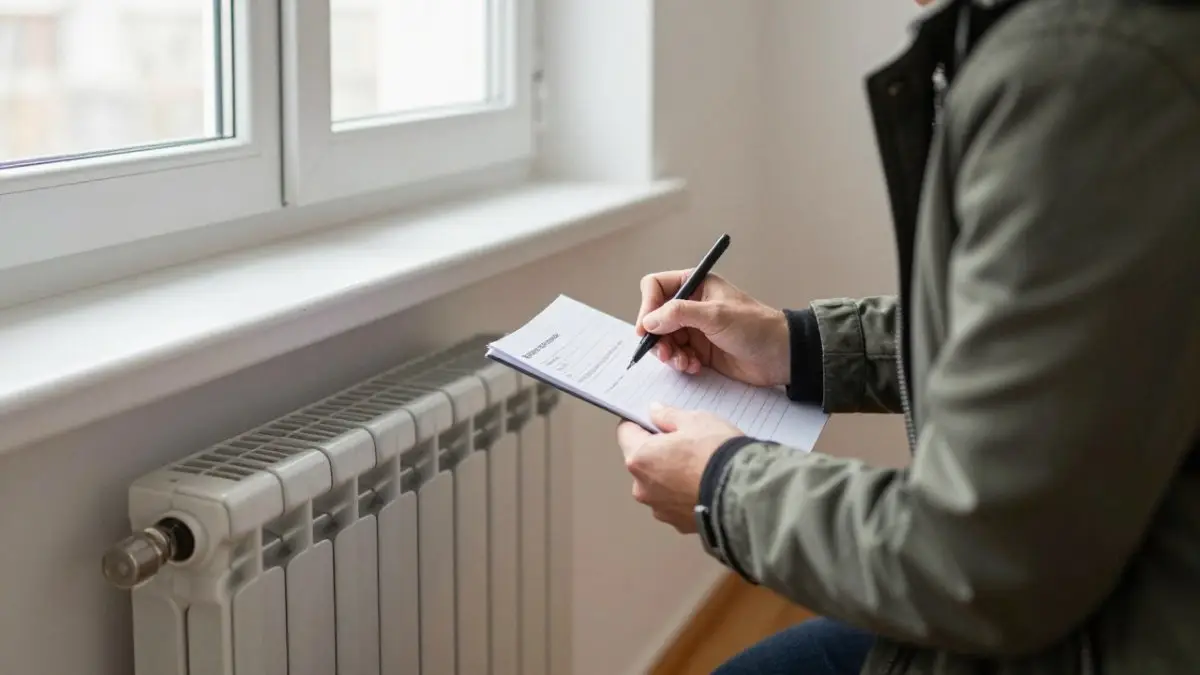
Acting quickly and in the right order can make a real difference when your rental is cold. Here is what to do, step by step.
| Step | What to do | Timing |
|---|---|---|
| Notify landlord | Send a written description of the problem, start date and indoor temperature | As soon as you notice |
| Document conditions | Take dated photos or video of the thermostat and cold areas | Right away |
| Set a deadline | Request repairs within a set time, noting cold weather urgency | In the written notice |
| Contact housing inspector | Ask city or county code enforcement to inspect the unit | If repairs stall |
| Contact utility | Ask about Cold Weather Rule protection and a payment plan | Before any shut-off date |
| Get legal help | Review tenant remedies with a Minnesota legal aid organization | If needed |
Can a Landlord Evict You for Reporting a Heat Problem?
Tenant protections generally limit a landlord’s ability to retaliate against good-faith complaints about housing conditions. The exact limits depend on the situation and the timing of the action.
Because retaliation rules can be detailed, keep your written complaint and any response from the landlord. If you receive an eviction notice soon after reporting a problem, contact a legal aid office right away.
Getting Your Heating System Checked and Repaired
Some heat problems come from the building’s furnace or boiler, which the landlord is responsible for repairing. Others come from a thermostat, a filter, or a fuel supply issue. A licensed technician can find the cause quickly.
If you are a homeowner dealing with a similar problem, Brass Tacks Plumbing, Heating & Cooling offers furnace repair in the West Metro. Signs that a furnace needs attention include weak airflow, strange noises, and frequent cycling.
Requesting Heat Repairs Before the Next Cold Snap
The best time to get heat repaired is before a cold front arrives. Send your repair request as soon as you notice a problem, and follow up if you do not hear back within a day or two.
A few practical tips:
- Report small problems early. A weak furnace can become a full failure in a cold spell.
- Ask for a written response. Get the repair date in writing.
- Keep a log. Note each request, response, and temperature reading.
- Know your backup options. Ask your city about emergency heat resources if your unit stays cold.
For homeowners who suspect the heating system is failing, a furnace replacement may be worth discussing when repair costs climb. Pricing depends on the system and home, so visit the Brass Tacks Plumbing, Heating & Cooling website for current pricing or request a quote.
BUTTON: Schedule Heating Service
CARD_TITLE: Is your heat out this winter?
CARD_TEXT: Brass Tacks Plumbing, Heating & Cooling repairs furnaces and heating systems across the West Metro.
Frequently Asked Questions
What are the heating laws in Minnesota?
Minnesota requires landlords to keep rental housing habitable, and local housing codes commonly set a minimum indoor temperature during the heating season. Separately, the Minnesota Cold Weather Rule limits when regulated utilities can shut off electric or natural gas service to residential customers during the winter months. These are two different protections. The Cold Weather Rule covers utility service, while heating requirements for rentals come from landlord duties and local code. Check your city’s rental code or contact your local housing inspector to confirm the exact standard that applies to your unit.
What should I do if my rental has no heat in winter?
Start by notifying your landlord in writing and keeping a copy, including the date, the symptoms, and any indoor temperature readings you take. Give a reasonable time to respond, then contact your city or county housing inspection office to request an inspection. If the heat is out because your utility service was disconnected, call the utility right away and ask about Cold Weather Rule protection. If you suspect the heating equipment itself is failing, a licensed HVAC technician can diagnose the problem, though a rental’s heating system repair is usually the owner’s responsibility.
Can a utility shut off electricity or natural gas during a Minnesota winter?
Under the Minnesota Cold Weather Rule, regulated utilities generally cannot disconnect eligible residential customers for nonpayment during the winter months, provided the customer follows the protection requirements, such as contacting the utility and making reasonable payment arrangements. Protections depend on eligibility and on whether the customer is the account holder. Your utility can explain how the rule applies to your account and what payment plan options are available.

