
7 Ways to Improve Indoor Air Quality in Winter

Quick Summary
Winter sealing traps dust, cooking odors, cleaning fumes, and moisture inside, so indoor air quality can drop below outdoor levels. Seven steps help: bring in fresh air on mild days, run exhaust fans consistently, change the furnace filter on schedule, keep humidity between 30 and 40 percent, keep vents clear, reduce pollutant sources, and add air cleaning where it makes sense.
- Open a few windows for five to ten minutes on mild, dry winter days.
- Run bathroom fans during and for about 20 minutes after every shower.
- Check the furnace filter monthly and replace it every one to three months.
- Aim for roughly 30 to 40 percent indoor relative humidity during winter.
- Vacuum with a HEPA-filter vacuum at least once a week.
Table of Contents
- Why Winter Air Quality Drops in Minnesota Homes
- What Are the Signs of Poor Indoor Air Quality?
- 1. Bring in Fresh Air When Outdoor Conditions Allow
- 2. Use Bathroom and Kitchen Exhaust Fans Consistently
- 3. Change Your Furnace Filter on Schedule
- 4. Keep Humidity in the Right Range
- 5. Keep Vents, Returns, and Registers Unobstructed
- 6. Reduce Indoor Pollutant Sources
- 7. Add Air Cleaning Where It Makes Sense
- How Often Should You Change a Furnace Filter in Winter?
- What Is the Best Humidity Level for a Home in Winter?
- How Can I Improve Air Quality Without an Air Purifier?
- Seasonal HVAC Maintenance for Cold Climates
- Work With a Trusted Local Team
- Frequently Asked Questions
Why Winter Air Quality Drops in Minnesota Homes
Cold weather pushes homeowners to seal up the house. That keeps heat in, but it also traps dust, cooking odors, cleaning product fumes, and moisture inside. Indoor air can end up more polluted than the air outside.
Several things stack up in a Minnesota winter:
- Windows and doors stay closed for months
- Furnaces recirculate the same air through the same filter
- Indoor humidity swings from very dry to damp
- Activities like cooking, showering, and laundry add moisture and particles
Understanding these causes makes the fixes below easier to apply.
What Are the Signs of Poor Indoor Air Quality?
Poor indoor air quality often shows up as everyday discomfort. Common signs include:
- Stuffy or stale-feeling air, even with the heat running
- Dust that returns quickly after cleaning
- Frequent headaches, dry eyes, or throat irritation at home
- Musty odors or visible condensation on windows
- Allergy or asthma symptoms that ease when you leave the house
If several of these show up together, it may be time to look at the whole system. A professional can help identify whether ventilation, filtration, or humidity is the main issue. Our air quality services cover whole-home filtration, purification, and ventilation options for West Metro homes.
1. Bring in Fresh Air When Outdoor Conditions Allow
Fresh air dilutes indoor pollutants. On mild, dry winter days, open a few windows for five to ten minutes. This moves stale air out without chilling the whole house.
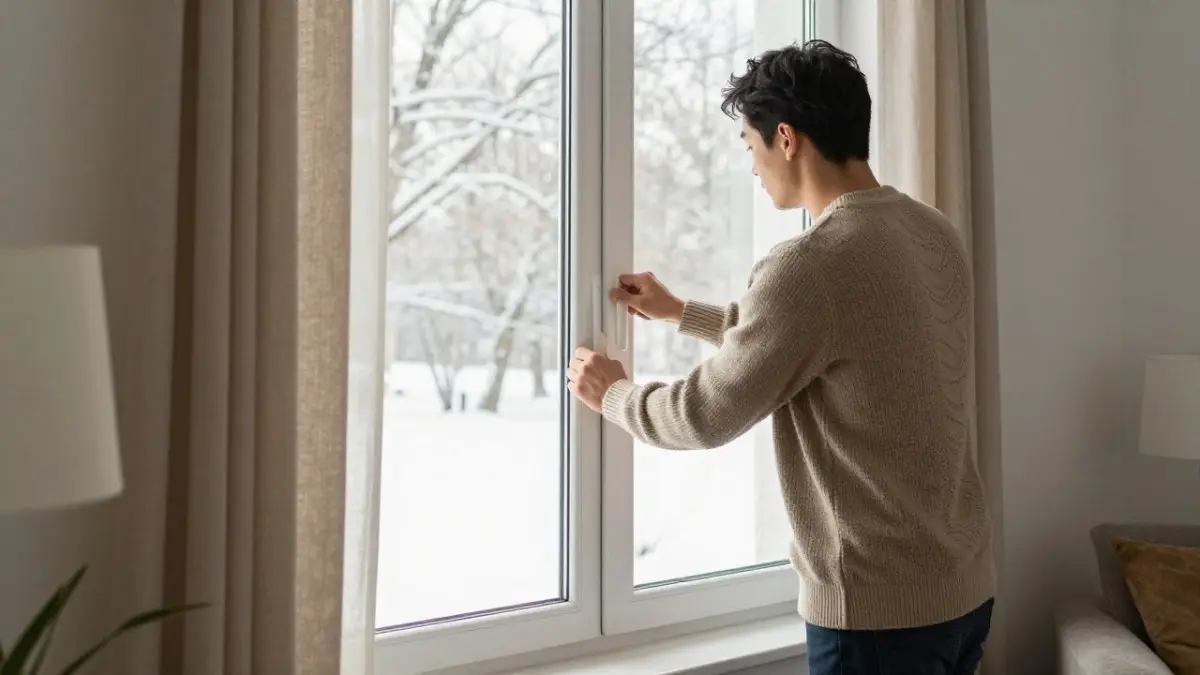
Avoid airing out on days with heavy snow, high winds, or very low temperatures, and skip it when outdoor air quality is poor.
2. Use Bathroom and Kitchen Exhaust Fans Consistently
Exhaust fans pull moisture, cooking smoke, and odors out of the home before they spread. Run the bathroom fan during and for about 20 minutes after every shower. Run the kitchen range hood while cooking, especially when frying or boiling.
If your fans are loud, clogged with dust, or do not vent outside, have them checked.
3. Change Your Furnace Filter on Schedule
Your furnace filter catches dust, pet hair, and other particles before they circulate through the house. A dirty filter also restricts airflow, which makes the system work harder and can shorten the life of the blower motor. In a Minnesota winter, when the furnace runs for months without a break, that airflow restriction adds up.
How often should you change a furnace filter in winter?
Check the filter monthly during the heating season. Replace it when it looks gray or clogged, which for many homes means every one to three months. The right interval depends on several things:
- Pets in the home: more frequent changes, often every one to two months
- Multiple occupants or heavy foot traffic: more frequent changes
- Recent remodeling or dusty work: check weekly until the dust settles
- High-MERV filters: they catch more but load up faster and can restrict airflow sooner
- Basic fiberglass filters: they catch less, so they may look clean while doing little for air quality
What MERV rating should you use?
MERV (Minimum Efficiency Reporting Value) is the rating scale for furnace filters. Higher MERV means finer particle capture. A common range for residential furnaces is MERV 8 to MERV 13. MERV 8 handles typical dust and pollen.
Watch out: not every furnace is designed for a high-MERV filter. A filter that is too restrictive for your blower can reduce airflow, cause the system to run hot, and shorten equipment life.
How to check and size your filter
The filter size is printed on the frame of the old filter. Match it exactly, including the thickness, because a filter that does not seal lets air bypass the media and defeats the purpose. Write the size on a note inside the furnace door so you do not have to pull the filter to remember it.
Learn more about keeping your system running well in our guide on furnace maintenance. For signs your system may need attention, see 7 signs your furnace needs maintenance now.
4. Keep Humidity in the Right Range
Winter air is dry, but indoor humidity can climb quickly from showers, cooking, and drying laundry indoors. Both extremes cause problems. Very dry air irritates skin, eyes, and airways and can worsen asthma and allergy symptoms. Excess moisture leads to condensation on windows and cold surfaces, dampness, and eventually mold growth inside walls and along window frames.
What humidity level should a home have in winter?
A common target is roughly 30 to 40 percent relative humidity indoors during winter. Many homeowners find that pushing much above 40 percent in a Minnesota January leads to heavy condensation on windows, which is the clearest sign that moisture is collecting where it can feed mold. If you see water beading or frost building up on the inside of window glass, lower the humidity before it becomes a bigger problem.
How to measure humidity and read the numbers
A simple hygrometer, sold at most hardware stores, shows your current relative humidity. Place it in a central living area away from the bathroom door, the kitchen, and direct heat from a register. Check it at the same time each day for a week so you see a pattern rather than a single snapshot. Many homes swing widely between morning and evening, and the pattern tells you more than any one reading.
- Reading below about 30 percent: air is dry. Expect static shocks, dry skin, and irritated airways. A portable humidifier in the bedroom or main living area is a common first step.
- Reading between about 30 and 40 percent: usually comfortable for most homes in winter.
- Reading above about 40 percent with window condensation: moisture is too high. Run bath and kitchen exhaust fans longer, check that the dryer vents outside, and avoid drying wet laundry indoors.
What to do when readings are too high or too low
If humidity runs high, the fix is usually source control and ventilation rather than a new appliance.
If humidity runs low, a portable humidifier in the rooms you use most is often enough. Whole-home humidifiers tied to the furnace are another option, but they need seasonal adjustment as outdoor temperatures drop.
If your home runs very dry or very damp, our article on how to reduce humidity in your house during winter walks through practical steps.
5. Keep Vents, Returns, and Registers Unobstructed
Furniture, rugs, and curtains can block supply vents and return grilles. When air cannot move freely, some rooms stay cold while others get stuffy, and the system can strain.
Walk through each room once a month. Make sure nothing sits in front of a register or return.
Keeping airflow open is simple, but it is easy to overlook. Here is a quick look at the key checks.
| Check | How often | Why it matters |
|---|---|---|
| Walk through each room | Once a month | Spots blocked vents early |
| Clearance in front of registers | A few feet where possible | Lets air move freely |
| Vacuum grille covers | Monthly | Removes dust buildup |
6. Reduce Indoor Pollutant Sources
Many everyday items release particles or fumes into the air. Reducing them is one of the most effective steps you can take.
Consider these changes:
- Choose fragrance-free or low-emission cleaning products
- Avoid burning candles and scented plug-ins indoors
- Store paint, solvents, and fuels outside the living space
- Keep shoes at the door to limit tracked-in dirt and pollen
- Vacuum with a HEPA-filter vacuum at least once a week
7. Add Air Cleaning Where It Makes Sense
Air purifiers and whole-home filtration can capture particles the furnace filter misses. A portable HEPA unit in a bedroom or main living area is a common starting point. Whole-home options work with your existing ductwork and may suit larger homes better.
Air cleaning works best alongside ventilation and source control, not as a replacement for them. If you want to know which setup fits your home, our team can walk through the options during a visit.
How Often Should You Change a Furnace Filter in Winter?
Most homes should check the furnace filter monthly and replace it every one to three months during winter. Homes with pets, multiple occupants, or heavy dust may need more frequent changes. Always use the filter size printed on the frame.
What Is the Best Humidity Level for a Home in Winter?
Many homeowners aim for indoor humidity between about 30 and 40 percent during winter. Lower levels can feel dry, while higher levels raise the risk of condensation on windows. A hygrometer helps you track changes over time.
How Can I Improve Air Quality Without an Air Purifier?
You can make meaningful improvements without buying a purifier. Open windows on mild days, run exhaust fans, change your furnace filter on schedule, control humidity, limit indoor pollutant sources, and keep vents clear. These steps address most common causes of poor winter air.
Seasonal HVAC Maintenance for Cold Climates
Minnesota winters put heavy demands on heating systems. A furnace that runs for months benefits from a tune-up before the cold arrives. Routine service checks burners, heat exchangers, blower motors, and safety controls. It also helps catch airflow problems that affect air quality. Our team can help with furnace repair and related service if your system is showing signs of trouble.
Keep the outdoor condenser for your air conditioner clear of snow and debris, and make sure your system is properly cleaned and inspected each season.
Work With a Trusted Local Team
Good indoor air depends on a healthy heating and ventilation system. If your home still feels stuffy, humid, or dusty after these changes, a professional inspection can show what is happening. Brass Tacks Plumbing, Heating & Cooling provides honest, straightforward service for homeowners across the West Metro. We explain what we find and what your options are, with no pressure.
Ready to improve the air in your home this winter? Schedule your plumbing and HVAC service with Brass Tacks Plumbing, Heating & Cooling today.
Frequently Asked Questions
Does opening windows in winter improve indoor air quality?
Yes, briefly. Opening a window for five to ten minutes on a cold day can replace stale indoor air without losing much heat, especially when outdoor air is clean. Avoid long periods with windows open, since the furnace has to work harder to recover lost warmth. On days with poor outdoor air quality or heavy smoke, ventilation through an open window can bring in more pollutants, so mechanical ventilation and filtration are the better choice on those days.
How often should I change my furnace filter in winter?
Most homes should check the furnace filter monthly during winter and replace it when it looks dirty, typically every one to three months depending on the filter type, the number of occupants, pets, and how much the system runs. Homes with pets or someone who has allergies may need more frequent changes. Write the replacement date on the filter frame so you can track it. A clogged filter restricts airflow, which reduces comfort and can strain the blower motor.
What is the best humidity level for a home in winter?
Many homeowners aim for indoor relative humidity between about 30 and 40 percent in winter. Cold Minnesota air holds little moisture, so indoor humidity often drops quickly once the furnace is running. A simple hygrometer can show your current reading. If levels stay too low, dryness can irritate skin and airways. If readings climb above roughly 50 percent, condensation on windows and damp spots can encourage mold, so adjust ventilation or humidification accordingly.
How can I improve indoor air quality without an air purifier?
Several low-cost steps make a noticeable difference without a standalone purifier. Run bathroom and kitchen exhaust fans during and after use, change your furnace filter on schedule, keep vents and returns clear of furniture, reduce pollutant sources such as smoking indoors and harsh cleaning sprays, and manage humidity between 30 and 40 percent. Brief fresh-air ventilation on suitable days also helps clear stale air. These habits work together to lower the overall pollutant load in the home.

