

Best Water Heater Options: A 2026 Comparison
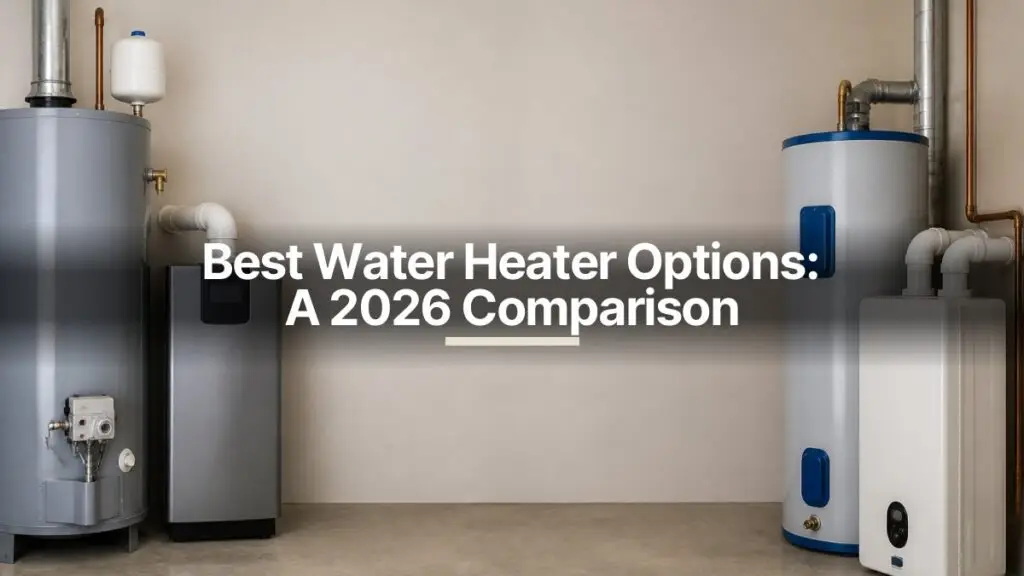
Table of Contents
- Water Heater Types: What Your Options Are
- Tank vs. Tankless Water Heater: Which Fits Your Home
- Heat Pump Water Heater Pros and Cons
- How to Choose the Right Water Heater for Your Household
- Signs Your Water Heater Needs Replacing
- Water Heater Lifespan and When to Replace
- Making Your Final Decision
- Frequently Asked Questions
Last Updated: October 10, 2026
Water Heater Types: What Your Options Are
The main water heater options are storage tank systems (gas and electric), tankless models, and heat pump water heaters. Storage tanks heat and store water in an insulated tank, keeping it ready whenever you need it. Tankless systems heat water on demand as it flows through the unit. Heat pump water heaters use electricity to move heat from the air into the water, operating like a refrigerator in reverse. Understanding these three types helps you narrow down what makes sense for your home’s layout, fuel availability, and budget.
Storage Tank Water Heaters (Gas and Electric)
Storage tank water heaters come in two fuel options: gas and electric. Gas models heat water faster and cost less to operate over time, which matters in Minnesota’s cold climate when you’re running the heating system year-round. Electric models cost less upfront and require no venting, making them simpler to install in some homes.
A gas storage tank water heater burns natural gas or propane to heat water in an insulated tank, keeping it ready for use. The downside is standby heat loss: the tank loses heat through its walls even when you’re not using hot water, requiring periodic reheating.
Electric storage tank water heaters use heating elements inside the tank instead of a burner. They’re simpler to install and work anywhere you have electrical service, but they cost more to run because electricity typically costs more per unit of heat than gas.
Both types last 10-15 years with proper maintenance and are reliable workhorses for most homes.
Tankless Water Heaters
A tankless water heater heats water on demand as it flows through the unit, eliminating storage entirely. The appeal is clear: no standby heat loss, endless hot water supply, and a smaller footprint. Tankless units mount on a wall and take up a fraction of the space a storage tank requires, making them attractive in homes where space is tight.
The trade-off is higher upfront investment and more complex installation. Gas models need proper venting, and electric models may require electrical upgrades. They also perform differently depending on your water demand: if multiple showers run simultaneously, the unit may struggle to keep up.
Tankless water heaters typically last 15-20 years, longer than storage tank models.
Heat Pump Water Heaters
A heat pump water heater pulls heat from the surrounding air and transfers it into the water, rather than burning fuel or using resistance heating. This approach is substantially more energy-efficient than conventional options.
Heat pump water heaters work best in moderate climates. In Minnesota’s winters, they’re less efficient because there’s less heat available in cold air. Many homeowners in the Twin Cities pair them with a backup heating element for winter months.
The upside is lower operating costs. The downside is higher upfront expense, the need for adequate space and air circulation, and slower hot-water recovery than gas or electric storage tanks.
Tank vs. Tankless Water Heater: Which Fits Your Home
The tank versus tankless choice depends on your household’s hot-water demand, available space, and budget constraints.
A storage tank water heater makes sense if you have a larger household with peak hot-water demand (multiple showers, laundry, dishwashing happening together), limited upfront budget, and existing gas service. You’ll pay less upfront and get consistent hot-water delivery during high-demand periods.
Tankless water heaters suit smaller households or couples who don’t run multiple hot-water appliances simultaneously. They work well if you value space savings, want to eliminate standby heat loss, and can afford the higher installation cost.
Before deciding between tank and tankless, run your household’s peak hot-water usage. How many showers happen at once? Do you run the dishwasher while someone showers? The answers tell you whether a tankless unit can keep up or whether a storage tank’s larger capacity is necessary.
Heat Pump Water Heater Pros and Cons
Heat pump water heaters offer genuine efficiency advantages, but they’re not the right fit for every home. Understanding the trade-offs helps you decide if one makes sense for you.
Pros of heat pump water heaters:
Heat pump models consume significantly less electricity than electric storage tanks, translating to lower operating costs over time. They’re environmentally friendly because they move heat rather than generate it. They also last longer than conventional models, typically 15 years or more.
Cons of heat pump water heaters:
They cost substantially more upfront than storage tank options. They require adequate space and air circulation, which rules them out for cramped utility closets. In Minnesota’s cold winters, their efficiency drops because there’s less heat available in the air. They recover hot water more slowly than gas or electric tanks. Installation is more complex, requiring a qualified technician.
For most Minnesota homes, a gas storage tank or electric storage tank remains the more practical choice.
If you live in a very cold climate or have a household with multiple people showering back-to-back, a heat pump water heater alone may not meet your needs. Some models include a backup electric element, but that defeats the efficiency advantage. Confirm any model’s cold-weather performance before purchasing.
How to Choose the Right Water Heater for Your Household
The best water heater for your home balances three factors: your household’s hot-water demand, your upfront budget, and your long-term operating costs.
Sizing Based on Household Demand
Start by understanding your peak hot-water demand, the amount of hot water your household uses during the busiest time of day, typically morning showers or evening cooking and cleaning.
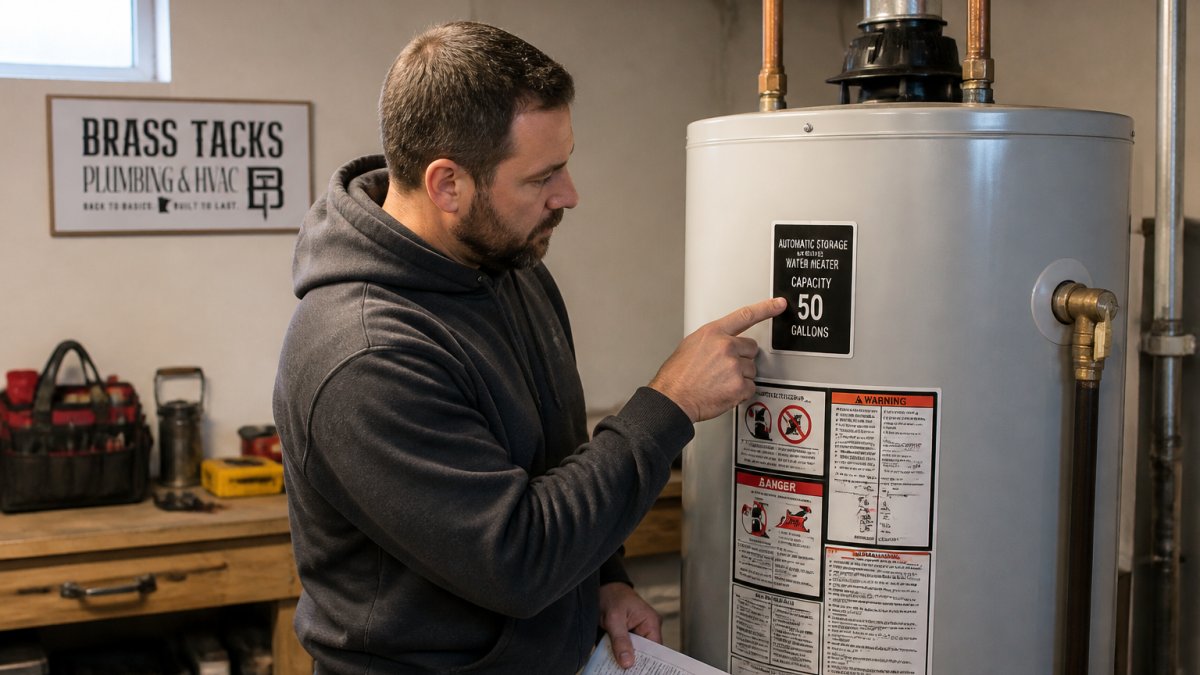
For storage tank water heaters, capacity matters. A smaller household (1-2 people) typically needs a 40-gallon tank, while a family of 3-4 people usually requires a 50-gallon tank. Larger households may need 75 gallons or more. A professional can assess your household’s actual usage and recommend the right size.
For tankless water heaters, the relevant measure is flow rate, how many gallons per minute the unit can heat. If your peak demand is two showers running simultaneously plus a dishwasher, you need a unit rated for that combined flow.
Upfront Costs vs. Operating Costs
A storage tank water heater costs less to purchase and install, but upfront cost isn’t the full picture. You also need to consider operating costs over the water heater’s lifespan.
Gas storage tank water heaters typically cost less to operate than electric models because natural gas is cheaper per unit of heat, but they require a gas line and venting. Electric models cost more to run but are simpler to install in homes without existing gas service.
Tankless models cost more upfront but can lower operating costs with moderate hot-water demand. Heat pump models offer the lowest operating costs but demand the highest upfront investment.
Calculate the total cost of ownership: purchase price plus installation plus estimated operating costs over the unit’s expected lifespan. A professional can help you run these numbers for your specific situation.
The cheapest option upfront isn’t always the cheapest option over 10-15 years. A slightly more expensive model with lower operating costs often saves money in the long run, especially in Minnesota, where cold winters mean higher heating demands.
Fuel Source and Installation Constraints
Your home’s existing fuel sources and infrastructure shape what’s practical. If you have natural gas service, a gas water heater is straightforward. If you don’t, running a gas line is expensive, making an electric or heat pump model more sensible.
Gas storage tanks and tankless gas units need a vent to safely exhaust combustion byproducts. If your home lacks proper venting, installation becomes more complex and costly. Electric and heat pump models don’t require venting.
Space availability matters for storage tanks and heat pump models. A tankless unit’s compact size appeals to homes with tight utility rooms.
In older homes, existing plumbing and electrical infrastructure can affect what’s feasible. A professional inspection identifies any upgrades needed before installation.
Signs Your Water Heater Needs Replacing
Most water heaters last 10-15 years, but several warning signs suggest yours may be failing sooner.
Rust or discoloration in your hot water is a red flag. If water coming from hot taps looks rusty or brown, corrosion inside the tank is likely and the tank’s protective lining is failing.
A water heater that’s leaking, even slightly, needs replacement soon. If you see water pooling around the base of the tank or dripping from the unit, leaks only worsen.
Strange noises from the water heater, popping, rumbling, or crackling sounds, suggest sediment buildup inside the tank. Sediment reduces efficiency and can damage the tank from the inside.
Lukewarm water when you expect hot water indicates the heating element or burner isn’t working properly. If adjusting the thermostat doesn’t help, the unit is likely failing.
A water heater that cycles on and off constantly, or one that takes much longer than usual to produce hot water, is showing age. Efficiency declines as components wear out.
Water Heater Lifespan and When to Replace
Understanding your water heater’s age and expected lifespan helps you plan ahead. Most storage tank water heaters last 10-15 years. Tankless units typically last 15-20 years. Heat pump models last 15 years or longer.
The age of your unit matters because older water heaters become less efficient and more prone to failure. If your water heater is approaching 10-12 years old and you’re experiencing any of the warning signs above, replacement is worth considering, even if it’s not yet failing completely.
Waiting until a water heater fails completely often means an emergency replacement, which limits your options and may cost more. Planning a replacement during the off-season or before failure gives you time to research options, get quotes, and schedule installation at your convenience.
Regular maintenance extends a water heater’s lifespan. Flushing the tank annually to remove sediment, checking the anode rod, and ensuring proper venting all help. However, maintenance can only delay inevitable aging, it can’t prevent it indefinitely.
Making Your Final Decision
Choosing the best water heater requires balancing your household’s needs, your budget, and your home’s constraints. No single option is universally best because homes and families are different.
Start by identifying your household’s peak hot-water demand. Does your family shower simultaneously? Do you run multiple hot-water appliances at once? This tells you whether a storage tank or tankless system suits your usage pattern.
Next, consider your available budget for both upfront costs and long-term operating expenses. A less expensive storage tank model might make sense if your budget is tight.
Finally, assess your home’s existing infrastructure. Do you have gas service? Is there adequate space and venting? Are electrical upgrades needed? These practical constraints narrow your options to what’s actually feasible.
When you’re ready to move forward, a professional assessment of your home and your needs provides clarity. A technician can evaluate your current setup, explain what’s possible, and help you compare options fairly.
Choosing a new water heater is a significant decision because it affects your home’s comfort and your utility bills for years to come.
Frequently Asked Questions
How do I know if my water heater needs to be replaced?
Watch for signs like rusty water, leaks, strange noises, or insufficient hot water. If your water heater is approaching the end of its lifespan (typically 8-12 years for storage tanks), replacement may be more cost-effective than repair. An onsite inspection by a licensed technician can determine whether repair or replacement makes sense for your situation.
What’s the difference between tank and tankless water heaters?
Storage tank models heat water continuously and store it until you need it, making them less expensive upfront but using more energy. Tankless water heaters heat water on demand, saving space and energy, but cost more to install. Your choice depends on your household’s hot water demand, available space, and budget for both purchase and installation.
Are heat pump water heaters worth the cost in Minnesota’s cold climate?
Heat pump water heaters are far more energy-efficient than conventional options and can reduce operating costs significantly over time. However, they work best in warmer climates and may require specific installation conditions. A professional assessment of your home’s setup and your heating needs will determine if a heat pump model makes financial sense for your situation.
How long do water heaters typically last?
Storage tank water heaters usually last 8-12 years with proper maintenance. Tankless models can last 15-20 years or longer. Lifespan depends on water quality, maintenance, and usage patterns. Regular maintenance and monitoring can help you catch problems early and plan for replacement before unexpected failure.
