

Plumbing Maintenance Tips for Homeowners: 2026 Guide

Table of Contents
- Why Plumbing Maintenance Matters in Minnesota Homes
- How to Prevent Frozen Pipes During Minnesota Winters
- Your Annual Water Heater Maintenance Checklist
- DIY Plumbing Maintenance Tools Every Homeowner Should Own
- How Often Should You Schedule a Plumbing Inspection?
- Seasonal Plumbing Maintenance Calendar for the Twin Cities West Metro
- When to Call a Professional Plumber Instead of DIY
- Conclusion
- Frequently Asked Questions
Last Updated: September 22, 2026
Why Plumbing Maintenance Matters in Minnesota Homes
Plumbing maintenance is the routine care and inspection of a home’s water supply, drains, fixtures, and water heater to catch small problems before they become expensive failures. In Minnesota, freezing temperatures, hard water, and heavy seasonal use stress pipes and appliances, and the damage rarely announces itself early.
Most plumbing emergencies in Minnesota homes trace back to something that was visible weeks earlier: a slow leak, rising water pressure, or a water heater that hadn’t been flushed in years.
How to Prevent Frozen Pipes During Minnesota Winters
The best way to prevent frozen pipes is to keep them warm and keep water moving. Water expands as it freezes, and the crack often doesn’t leak until the ice thaws, so damage shows up right when you think you’re in the clear.
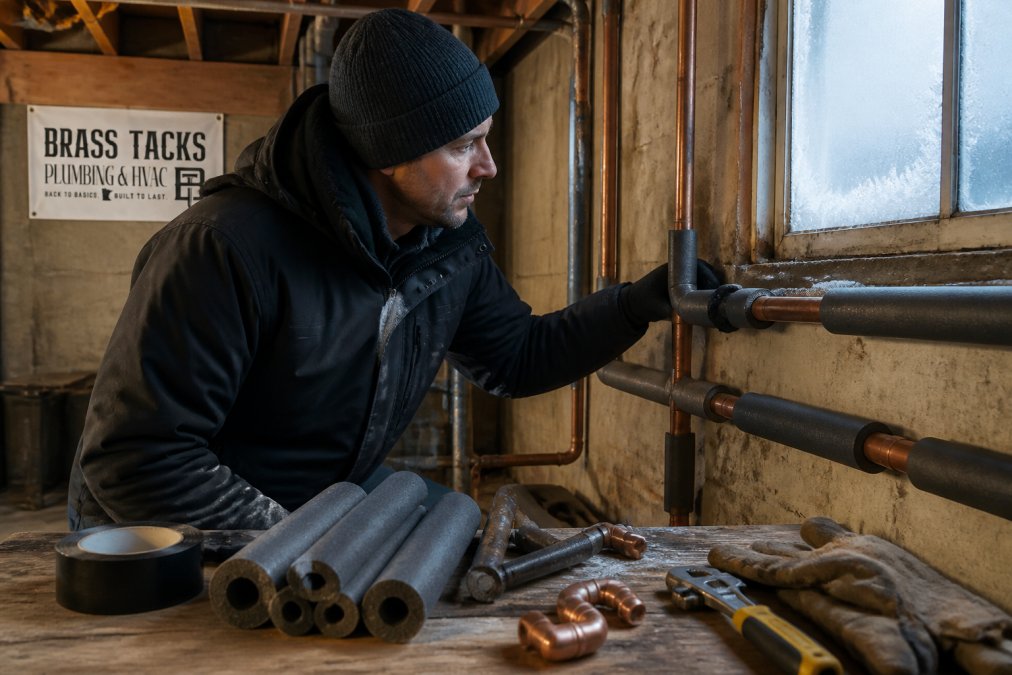
Never use an open flame to thaw a frozen pipe. A torch can ignite insulation or framing inside a wall. Use a hair dryer, heat lamp, or warm towels, and call a plumber if you can’t find the frozen section.
Your Annual Water Heater Maintenance Checklist
A water heater maintenance checklist is the highest-value routine a homeowner can keep, because water heaters fail quietly. Sediment settles at the bottom of the tank, especially with the hard water common across the West Metro, forcing the unit to work harder.
Here’s the annual routine:
- Test the pressure relief valve by lifting the lever and letting it snap back
- Flush the tank to clear sediment buildup from the bottom
- Check the anode rod and replace it if it’s heavily corroded
- Inspect the area around the tank for water spots, rust, or moisture
- Check the temperature setting and adjust if it’s running too hot
If your hot water runs out faster than it used to, or you hear rumbling from the tank, sediment is usually the culprit. A flush often restores performance. Waiting too long can mean a replacement instead.
DIY Plumbing Maintenance Tools Every Homeowner Should Own
You don’t need a full workshop to handle basic plumbing maintenance. A small, well-chosen kit covers most routine tasks and lets you respond fast when something starts leaking. The list below splits into traditional hand tools and the modern leak-detection gear most guides skip.
The traditional kit
- Adjustable wrench and plumber’s tape: for tightening pipe connections and sealing threaded joints. Plumber’s tape (Teflon tape) wraps clockwise around the threads so it doesn’t unwrap when you tighten the fitting.
- Drain snake (hand auger): for clearing clogs in drain traps and short runs without harsh chemicals. A 15 to 25 foot hand snake handles most sink and tub clogs.
- Bucket and towels: every job starts with shutting off the water, so keep a dedicated bucket under the sink cabinet.
- Flashlight or headlamp: for inspecting under sinks, in basements, and behind the water heater. A headlamp leaves both hands free.
- Faucet aerator wrench: for cleaning the aerator when water pressure drops at a single fixture. Hard water in the West Metro clogs aerators faster than most homeowners expect.
- Hose bib vacuum breaker: a small screw-on fitting for outdoor spigots that keeps dirty water from siphoning back into your supply lines.
The modern kit most guides skip
Smart leak detection has moved from novelty to practical, and it’s the biggest upgrade a homeowner can make to their plumbing maintenance routine. Three categories are worth knowing:
- Battery-powered leak sensors: small puck-shaped devices you place under the water heater, under each sink, behind the washing machine, and near the sump pump. They connect to your Wi-Fi and alert your phone the moment water bridges the contacts.
- Whole-home water monitors: a device that clamps onto or installs inline with your main water line and learns your household’s normal flow pattern. When it detects a running toilet, a burst supply line, or a slow hidden leak, it alerts you and can shut off the main valve automatically. These are especially useful in Minnesota homes that sit empty during winter travel.
- Smart shut-off valves: motorized ball valves that install on the main line and pair with the monitor above. When the monitor flags an event, the valve closes on its own, the closest thing to insurance against a burst pipe while you’re away.
Chemical drain cleaners can corrode pipes over time, especially in older homes with original plumbing. A drain snake or a call to a plumber is safer for anything beyond a simple hair clog.
If you travel during Minnesota winters, a smart shut-off valve paired with a leak sensor near the water heater is the highest-value upgrade you can make. It acts while you’re away, which is exactly when a burst pipe does the most damage.
How Often Should You Schedule a Plumbing Inspection?
Schedule a professional plumbing inspection once a year for most homes, and twice a year for older properties or homes with a history of problems. A licensed plumber checks water pressure at multiple fixtures, inspects the main line and shut-off valve, looks for corrosion and leaks, tests the water heater, and reviews the drainage system for early trouble signs.
Seasonal Plumbing Maintenance Calendar for the Twin Cities West Metro
Most plumbing maintenance guides give you a flat checklist and leave you to figure out when to do what. Minnesota doesn’t work that way. The first hard freeze can land in October or hold off until December, and the spring thaw can stress a sump pump harder than any summer storm. A calendar tied to the seasons keeps you ahead of the failures that hit hardest in January.
Fall (September through November): get ahead of the first freeze
- Disconnect garden hoses and shut off outdoor spigots from the inside. A hose left connected traps water in the spigot and the pipe behind it, the most common cause of a split in the first cold snap.
- Insulate exposed pipes in unheated basements, crawl spaces, garages, and along exterior walls. Foam pipe insulation is inexpensive and installs in minutes.
- Test the main shut-off valve. A valve seized from disuse is useless in an emergency, and fall is the right time to find out.
- Have the furnace and water heater serviced before the heating season starts. Professional heating and cooling services can handle that side of the house.
- Drain and store hoses, and if you have a sprinkler system, blow out the lines before the ground freezes.
Winter (December through February): protect against the deep cold
- Keep the thermostat at a level that protects pipes even when you’re away. Turning it down to save energy can cost far more if a pipe bursts.
- Let a thin stream of water run from the faucet farthest from the main shut-off on nights that drop well below freezing.
- Open cabinet doors under sinks on exterior walls so warm indoor air reaches the pipes.
- Watch for early signs of a frozen line: reduced flow at one fixture, frost on a visible pipe, or gurgling when you run water elsewhere.
- If you travel, shut off the main water supply and drain the lines, or rely on a smart shut-off valve that closes automatically when it detects abnormal flow.
Spring (March through May): catch what winter left behind
- Walk the house after the thaw and look for water stains on ceilings, soft spots on floors, and moisture around the water heater and sump pit. Hidden winter damage often shows up here first.
- Test the sump pump by pouring water into the pit and confirming it cycles on and off. Snowmelt and spring rain are its real test, and a failed pump is a flooded basement.
- Clear drain traps and floor drains. Debris that settled over winter can slow drainage right when you need it most.
- Check outdoor spigots for freeze damage before you hook up hoses again.
Summer (June through August): the calm window for the big jobs
- Flush the water heater. Sediment settles faster in homes with hard water, common across the West Metro, and a summer flush restores efficiency before heating season.
- Inspect supply lines under every sink, behind the washing machine, and at the refrigerator ice maker. These are the most common sources of slow hidden leaks.
- Clean faucet aerators and showerheads to clear mineral buildup.
- Check water pressure at an outdoor spigot with a gauge. Pressure that’s too high stresses every pipe and fixture in the house.
| Season | Key Tasks | Why It Matters Here |
|---|---|---|
| Fall | Disconnect hoses, insulate pipes, test shut-off valve, service furnace | First hard freeze can arrive before you expect it |
| Winter | Keep heat on, drip vulnerable faucets, watch for frozen lines, use smart shut-off if traveling | Cold snaps drive the most burst-pipe calls |
| Spring | Check for winter damage, test sump pump, clear drain traps, inspect spigots | Snowmelt and spring rain test drainage and sump systems |
| Summer | Flush water heater, inspect supply lines, clean aerators, check water pressure | Low demand is the ideal time for maintenance |
A calendar beats a checklist. The tasks don’t change much from year to year, but the timing does, and in Minnesota the timing is what prevents the expensive failures.
If you’d rather not track four seasons of tasks yourself, an annual plumbing inspection covers most of this list in one visit and flags anything that needs attention before the next season.
When to Call a Professional Plumber Instead of DIY
Call a professional plumber when a problem involves the main line, the sewer line, gas appliances, or anything you can’t see. Routine maintenance like insulating pipes, cleaning aerators, and snaking a simple clog is within reach for most homeowners. The line is crossed when the fix requires opening a wall, working on the main water or sewer line, or diagnosing a problem you can’t locate.
Here’s how to decide:
- DIY: slow drips at a faucet, running toilets, clogged drain traps, aerator cleaning, pipe insulation
- Call a pro: no water pressure anywhere in the house, sewage odors or backups, water heater leaks or failures, any work on the main line, and gas-related issues
If you have an older home in Plymouth or Minnetonka with original plumbing, don’t assume every issue means a full replacement. A good plumber can often repair what’s there and tell you what’s genuinely near the end of its life.
Conclusion
Minnesota homes put real demands on their plumbing, and homeowners who stay ahead of it avoid the worst winter surprises. A yearly water heater flush, insulated pipes before the first freeze, and a working shut-off valve cover most of what matters.
Frequently Asked Questions
What is the 135 rule in plumbing?
The 135 rule is a rough guideline for water pressure: keep your home’s pressure around 50 to 60 psi, and treat anything above 80 psi as a problem. High pressure stresses supply lines, faucets, and appliance connections, which leads to leaks and premature failures. A water pressure regulator on your main line keeps things in range. If you notice banging pipes or dripping faucets, have your pressure tested before small issues turn into water damage.
How often should a homeowner have their plumbing system inspected?
Most homes benefit from a professional plumbing inspection once a year, ideally in fall before freezing temperatures arrive. Older homes with galvanized or original 1970s plumbing may need a closer look every six to twelve months. Between visits, walk your basement, check under sinks, and watch your water meter for unexplained movement. A yearly inspection catches corrosion, small leaks, and failing shut-off valves before they become emergencies.
How can I prevent frozen pipes during a Minnesota winter?
Insulate pipes in unheated areas like basements, crawl spaces, and garages. Disconnect garden hoses and shut off outdoor spigots before the first hard freeze. During extreme cold, let a thin trickle of water run from the faucet farthest from your main shut-off valve, and keep cabinet doors open under sinks along exterior walls. If you leave town, keep your heat set no lower than 55 degrees Fahrenheit.
What are the signs of a hidden water leak in my home?
Watch for water spots on ceilings and walls, warped flooring, a musty smell, and unexplained spikes in your water bill. Check your water meter when no fixtures are running: if the dial still moves, water is escaping somewhere. Soft spots near the toilet base, peeling paint, and constantly running toilets are other clues. Smart leak detection sensors placed near water heaters and under sinks can alert you early, before damage spreads.
How do I know if my water heater needs maintenance?
Rumbling or popping sounds, rusty or discolored hot water, and inconsistent temperatures all point to sediment buildup inside the tank. Most manufacturers recommend flushing the tank once a year, and in areas with hard water you may need it more often. Check the anode rod every few years, since it sacrifices itself to protect the tank from corrosion. If your water heater is over ten years old and showing these signs, a professional inspection can tell you whether repair or replacement makes more sense.
What should I never put down my kitchen sink?
Grease, cooking oil, coffee grounds, eggshells, pasta, rice, and fibrous vegetables like celery all cause clogs. Grease coats pipe walls and hardens, while starchy foods swell and block drain traps. Run cold water for 15 seconds before and after using the disposal, and use a strainer to catch scraps. For slow drains, try a drain snake before reaching for chemical cleaners, which can damage pipes over time.
