

Book an Emergency Plumber in Plymouth, MN: What to Do First

Table of Contents
- What Counts as a Plumbing Emergency?
- Step-by-Step: What to Do While You Wait for an Emergency Plumber
- How to Book an Emergency Plumber in Plymouth, MN
- How to Find a Licensed Plumber You Can Trust
- Frozen Pipe Prevention Minnesota Homeowners Should Know
- Plumbing Leak Repair Tips for Common West Metro Problems
- Frequently Asked Questions
Last Updated: September 10, 2026
What Counts as a Plumbing Emergency?
A plumbing emergency is any problem that causes active water damage, shuts off water to the whole house, or creates a safety hazard. If water is running where it shouldn’t, or you have no water at all, book emergency plumber Plymouth MN service right away.
Not every drip deserves a midnight call. Ask three questions: Is water actively escaping? Is a fixture or the whole home unusable? Is there risk to people or property?
Here is how the common calls sort out:
- Call now: burst pipe, water main break, sewer backup into the home, no water anywhere, gas smell near a water heater, sewage odor
- Call in the morning: single slow drain, dripping faucet, running toilet, minor fixture leak with a bucket under it
Minnesota winters add a category most checklists ignore. When temps drop below zero for days, pipes in exterior walls and unheated crawl spaces freeze, and damage often shows up when they thaw.
When to Call Right Now vs. When to Wait Until Morning
Call immediately when water is actively damaging your home or you cannot stop it at a fixture, such as a supply line that won’t shut off, water pooling near outlets, or a sump pump that quit during a thaw.
Wait until morning for anything contained. A running toilet, dripping faucet, or slow drain that still moves water can be scheduled during normal hours, which usually means a faster, less rushed visit and no after-hours rates.
If you are unsure, shut off the fixture supply valve and watch it for fifteen minutes. If the water stops and stays stopped, you can likely wait. If it keeps coming, call.
Step-by-Step: What to Do While You Wait for an Emergency Plumber
The single most useful thing you can do before a plumber arrives is stop the water. A plumber can fix a pipe in an hour; water damage restoration takes weeks.
A homeowner kneeling in a basement, hand on a main water shut-off valve, with a flashlight and towel nearby, water visible on the floor
Work through these in order:
- Shut off the water. Close the fixture valve first if the leak is at a sink or toilet. If that fails, go to the main shut-off.
- Kill the power to wet areas. If water is near outlets, a furnace, or a water heater, trip the breaker for that zone.
- Clear the area. Move furniture, rugs, and anything electrical away from the water.
- Contain what you can. Towels, buckets, and a wet/dry vac slow the spread.
- Document everything. Photograph the damage before cleanup for your insurance claim.
- Call for help and stay reachable. Give the dispatcher your address, what you see, and whether water is still running.
Do not pour drain cleaner into a backed-up sewer line. It will not clear a main line blockage and it makes the plumber’s job harder and less safe.
How to Shut Off Your Main Water Supply
Find your main shut-off valve before you need it. In most West Metro homes it sits near the water meter in the basement or where the supply line enters through the foundation wall, usually a gate valve with a round wheel or a ball valve with a lever handle.
Turn a wheel valve clockwise until it stops. Turn a lever valve a quarter turn so the handle crosses the pipe. Then open a low faucet, like a basement utility sink, to drain pressure from the lines.
If the valve is seized, corroded, or you cannot find it, tell the dispatcher. That changes what the technician brings and how they approach the job.
How to Book an Emergency Plumber in Plymouth, MN
Booking an emergency plumber starts with one call and three pieces of information: your address, what is happening, and whether the water is currently shut off.
When you call, have this ready:
- Your full address and nearest cross street
- What you see and hear (spraying, gurgling, standing water, no water)
- Whether you found and closed the main valve
- The age of your home and any known plumbing quirks
- A callback number and whether you are on site
What to Expect When You Call
A real person should answer, not a voicemail box or a national call center that routes you to a subcontractor. Ask directly: “Is this a local company, and who is the licensed plumber coming to my home?” In Minnesota, the plumber performing the work must hold a state license, which you can verify through the state’s online lookup.
When you reach dispatch, ask these four questions before you agree to the visit:
- Is there a diagnostic or trip fee, and what does it cover? Some companies waive it if you approve the repair; others charge it regardless.
- Is after-hours pricing different from standard rates? Most companies charge more for nights, weekends, and holidays. Ask what the multiplier is, or whether they bill a flat emergency rate.
- How soon can someone actually be here? “Same day” and “within the hour” are different promises. Get a realistic window, not a marketing answer.
- Will I get a written estimate before work begins? A reputable plumber diagnoses first, explains the problem, and gives you a price before starting.
Scheduling Around Minnesota Weather
Winter changes the calculus. During a deep freeze, call volume spikes because frozen and burst pipes hit entire neighborhoods at once. If your situation is contained, you may get a faster, less expensive visit by scheduling for the next morning rather than competing with active water damage calls overnight.
If your situation is active, say so clearly. “Water is running right now and I cannot stop it” moves you up the queue. “My toilet runs sometimes” does not.
At Brass Tacks Plumbing, Heating & Cooling, a family-owned and operated business, we deliver expert, honest plumbing and HVAC services to homeowners across the Twin Cities West Metro, including Plymouth, Wayzata, Minnetonka, and Maple Grove. We provide high-quality repairs, water heater installations, and comprehensive furnace and air conditioning solutions, always with upfront pricing and no sales pressure.
What to Do If You Cannot Get Anyone Tonight
If every company you call is booked, you are not out of options. Shut off the main water supply, kill power to any wet areas, and photograph the damage. Most homeowner insurance policies cover sudden water damage, and your adjuster will want evidence of the loss as it happened. Keep the water off overnight if you can live without it, and call first thing in the morning when rates drop back to standard.
If you cannot shut the water off at all, call your city’s public works emergency line. A broken valve on the city side of the meter is their responsibility, not yours, and they can shut it at the curb.
How to Find a Licensed Plumber You Can Trust
A licensed plumber holds a state-issued credential and carries insurance, which matters because unlicensed work can void your homeowner’s policy and fail inspection. In Minnesota, plumbing work is regulated at the state level, so you can verify a contractor’s license before anyone touches your system.
Ask these questions before you book:
- What is your license number, and can I verify it?
- Are you insured, and can you provide a certificate?
- Do you charge a diagnostic fee, and what does it cover?
- Will you explain the problem before starting work?
- Is the price quoted upfront or billed by the hour?
A trustworthy plumber explains what is wrong in plain language and gives you options. If someone pushes a full system replacement before diagnosing anything, get a second opinion.
Frozen Pipe Prevention Minnesota Homeowners Should Know
Frozen pipe prevention in Minnesota comes down to keeping pipes warm and water moving. When temps hold below zero, the pipes most at risk are in exterior walls, unheated crawl spaces, garages, and along north-facing foundation walls.
What actually works:
- Insulate exposed pipes in basements, crawl spaces, and garages
- Let a pencil-thin stream run from the faucet farthest from your main during deep cold snaps
- Open cabinet doors under sinks on exterior walls so warm air reaches the pipes
- Seal gaps around pipes where they pass through exterior walls
- Keep your thermostat steady, day and night, during cold spells
If a pipe does freeze, thaw it slowly with a hair dryer or space heater, starting at the end closest to the faucet. Never use an open flame. If you cannot find the frozen section or the pipe has already split, shut off the main and call for help.
Plumbing Leak Repair Tips for Common West Metro Problems
Plumbing leak repair starts with finding the source, not the puddle. Water travels along joists, foundation walls, and pipe chases, so the wet spot on your ceiling is often nowhere near the actual leak. In the West Metro, three local factors make certain leaks more common: hard water, freeze-thaw cycles, and older housing stock with original galvanized or polybutylene piping.
Why Leaks Show Up Differently Here
Hard water. Most West Metro water comes from groundwater sources with high mineral content. Calcium and magnesium settle inside pipes and water heaters, narrowing the inside diameter over time. A pipe that looks fine outside can be nearly closed off inside, and the added pressure at joints is often where the first pinhole leak appears. Reduced flow at multiple fixtures points to mineral buildup, not just a fixture problem.
Freeze-thaw cycles. Minnesota’s swing between deep cold and thaw stresses pipes in ways warm-climate plumbing never sees. Water expands when it freezes, and even a pipe that does not burst can develop hairline cracks at fittings that only leak when pressure returns. The leak often shows up days after the cold snap, which confuses homeowners about the timing.
Aging infrastructure. Many Plymouth and surrounding West Metro neighborhoods were built in the 1970s through the 1990s. Homes from that era may still have original polybutylene supply lines (gray or blue-gray plastic, often with metal crimp rings) or galvanized steel drain lines that corrode from the inside out. Both are known failure points worth identifying before they fail.
Common West Metro Problems and What They Usually Mean
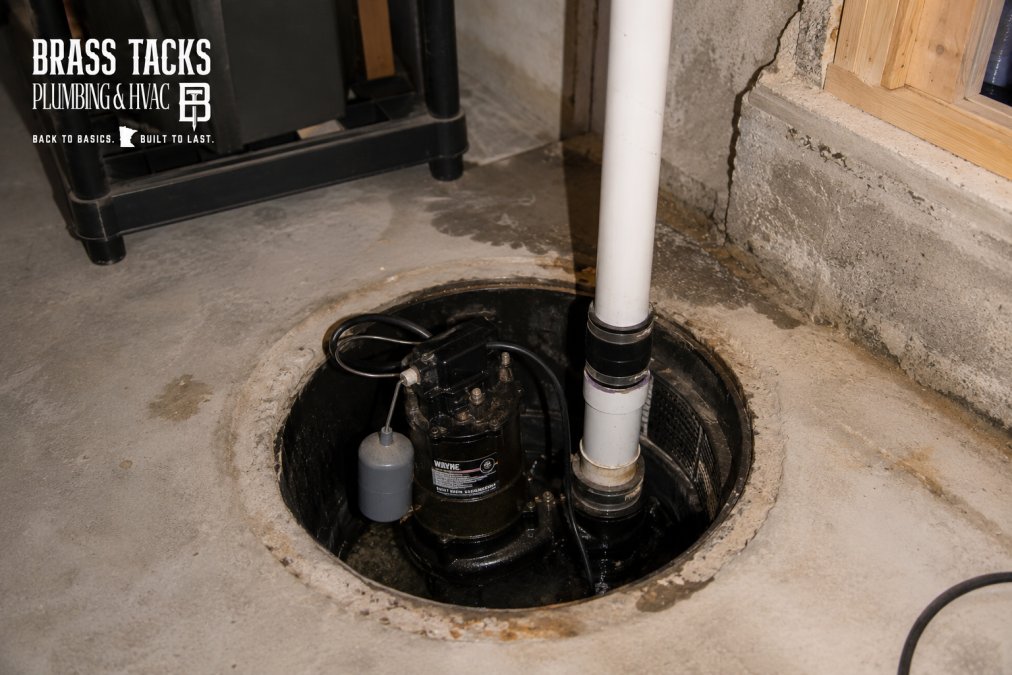
- Sump pump failure during a thaw: melting snow overwhelms a pump that sat idle all winter. Test it before spring by pouring a bucket of water into the pit and watching whether the float triggers the pump.
- Sewer backup after heavy rain: the city main can surcharge, and water finds the lowest drain in your basement. A backwater valve installed on your lateral line prevents this, and it is worth asking a plumber about if you have had one backup already.
- Water heater leaks: often a failing tank or a corroded fitting. Age and mineral buildup both play a role. If the tank itself is leaking (not just a fitting), replacement is usually the answer, and a water heater repair or replacement service can address it.
- Toilet and supply line leaks: usually a worn gasket or a cracked fill valve, and often a quick fix. The bigger risk is the supply line behind the toilet, which is under constant pressure and can fail without warning.
- Slab leaks: less common here than in warmer states, but they happen in homes with copper lines running under the foundation. Symptoms include a hot spot on the floor, unexplained high water bills, or the sound of running water when everything is off.
How Plumbers Find Hidden Leaks
For leaks you cannot see, a plumber uses tools that trace the source without tearing open walls:
- Acoustic listening: a sensitive microphone placed against walls or floors picks up the sound of water escaping under pressure.
- Thermal imaging: an infrared camera shows temperature differences where water is pooling behind drywall or under flooring.
- Pressure testing: isolating sections of the system to confirm whether a leak is on the supply side or the drain side.
- Dye testing: for drain leaks, tracing colored water through the system to find where it escapes.
If you are seeing unexplained moisture, a plumbing service can help diagnose the problem before it becomes a major repair. The earlier a leak is found, the more likely it is a fix rather than a replacement.
When to Repair vs. When to Replace
Not every leak means a full repipe. A single pinhole on a copper line can often be repaired with a coupling. But multiple leaks on the same system within a year or two is a pattern, not a coincidence. Repeated failures usually mean the pipe is at the end of its service life, and patching one leak just moves the problem down the line.
A plumber should explain which situation you are in before recommending anything. If the answer is always “replace everything” without a diagnosis, get a second opinion.
Frequently Asked Questions
What should I do while waiting for an emergency plumber to arrive?
Shut off your main water supply first, usually located in the basement or near the water meter. Open the lowest faucet in the house to drain remaining water from the lines. If the leak is near electrical outlets or your furnace, cut power to that area at the breaker. Move furniture and valuables away from the water, and take photos for your insurance claim. Avoid pouring chemical drain cleaners into a backed-up line, since they can damage pipes and are hazardous for the technician.
How do I verify a plumber is licensed in Minnesota?
Minnesota requires plumbers to be licensed through the state Department of Labor and Industry. Ask for the license number before work begins and look it up in the state’s online license lookup tool. A licensed master plumber must pull permits for major work like water heater replacement or sewer line repair. You can also ask whether the company carries general liability insurance and workers’ compensation coverage, which protects you if someone is injured on your property.
Are there plumbing issues common to Minnesota winters?
Yes. Frozen pipes are the most common cold-weather problem, especially in exterior walls, unheated crawl spaces, and garages. When water freezes it expands and can split copper or PEX lines, causing a burst once it thaws. Sump pump failure is another winter and spring issue, particularly during rapid snowmelt. Water heater strain also increases when incoming groundwater is near freezing. Insulating exposed pipes and keeping a slow drip on the coldest nights reduces risk.
Can I get a price over the phone for an emergency plumbing call?
Many companies can give you a diagnostic or service call range over the phone, but the final cost depends on what the technician finds on site. Brass Tacks Plumbing offers upfront pricing, and you can find more information on our website. Ask specifically whether there is a diagnostic fee, whether it is credited toward the repair, and whether the quote you receive on site is the final price or an estimate.
